Children’s education becomes more secure when families have a reliable source of income.
Many vulnerable children are at risk of dropping out because their parents or guardians cannot consistently provide school fees, uniforms, scholastic materials, transport, and basic household needs. Supporting the child alone may solve the immediate school-fees problem, but supporting the family creates a more sustainable path toward long-term resilience.
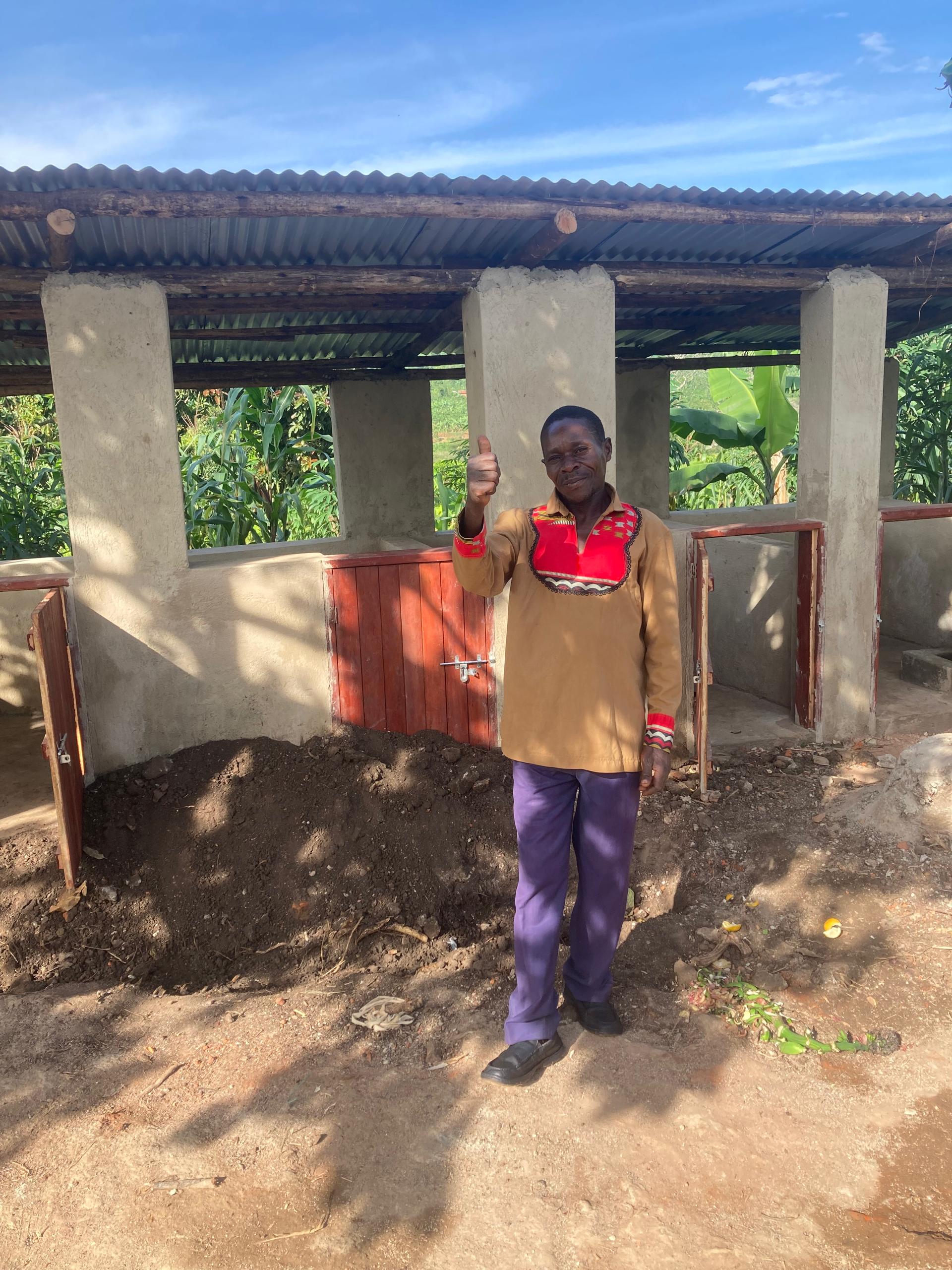
For this reason, the Foundation has begun piloting family livelihood projects designed to help households become more self-reliant. The first pilot families have received capital to establish income-generating projects such as piggery. In such cases, a pigsty is built for the family, and the family is assisted to acquire good breeds of piglets. Over time, part of the income generated can contribute to children’s education.
Livelihood Areas
Beneficiary families are selected based on demonstrated need, farming or enterprise experience, interest, and capacity to manage a project responsibly. They must also show willingness to use part of the proceeds to finance their children’s education. This model encourages dignity, responsibility, and partnership rather than dependency.
Empower a family
When a family gains income, a child gains stability. Family empowerment helps households build the capacity to support their own children and contribute to the wider community.